
Cathedral Effect & the Psychology of Home
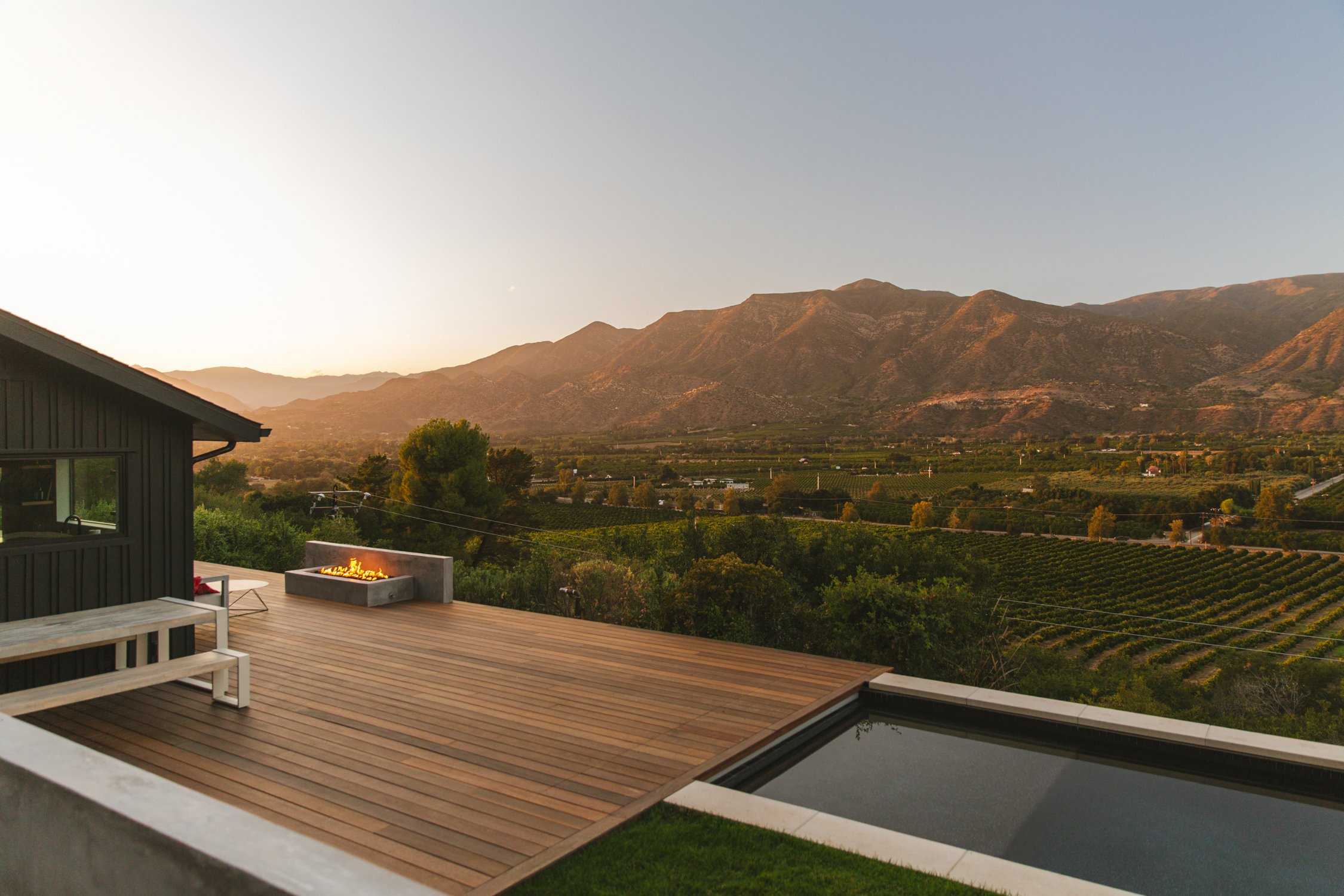
The View House overlooking the Ojai valley
If you’re a psychology nerd like us, you’ll remember (or maybe not) the mindset and mentality of the 1980’s, 90’s and early 2000’s… back then, we didn't talk about a lot of what we talk about all the time now. The frame of reference didn’t yet exist for how our experiences and environments could impact our physiology and sense of well-being. There’s been a tremendous progression of self- awareness, which gives us the capacity to serve our preferences now, with more integrity.
Same as the social progression of values shifted in our lifestyle and conversations, we see this same arc of widening awareness in the zeitgeist of design and architecture. The old trends of closed-up, compartmentalized homes of the post-industrial revolution, that had staying power throughout our (most of us) childhoods, evolve into more open and inclusive spaces where connection is primed and life-giving elements like sunlight, houseplants and open doors/ windows connect us with the greater rhythms of nature.
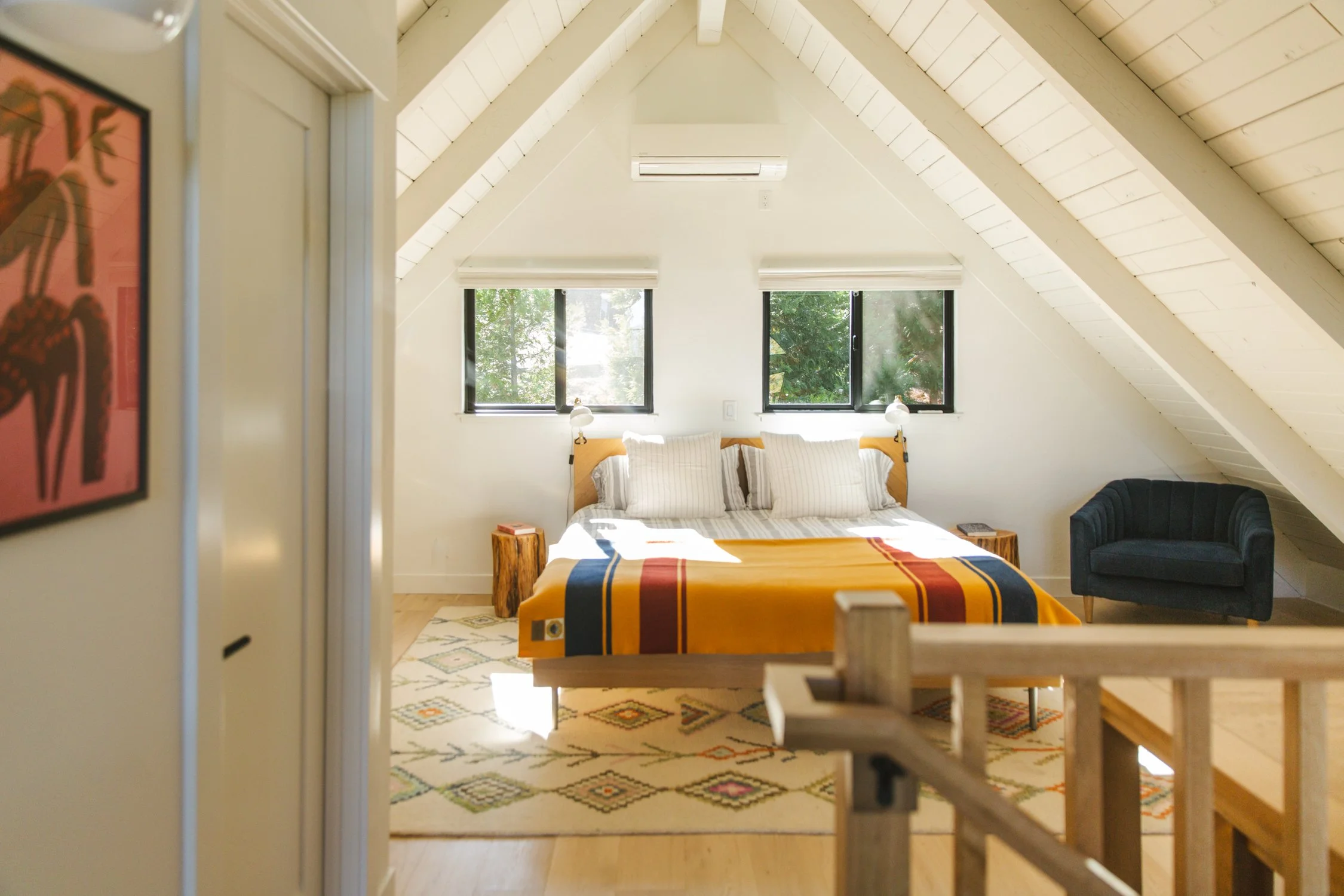
The A-Frame loft at Gather Yosemite
Creating spaces that reflect this new thinking, that connection with people and nature is inherently tied with nervous system regulation (which reflects our well-being), has been the endeavor of Gather Collection since day one… the thinking was, make this space feel better so that I may heal, write, work and be with my family in a way that supports my system. We discovered our preferences one pivot and adjust at a time. Like, when Lauren wrote her first book, Shithouse, she was discovering under what conditions does she work best and is able to sit with whatever might come up as she relays her life experiences. A tidy desk, a colorful rug under her feet, the perfect jasmine tea brewing, a window to look outside as the sun rises and work begins. By the time she sat down to write her second book, she chose to set up her desk at the View House so she could look out on the Ojai valley and experience the vastness of potential within the “Cathedral Effect” it offered. What spawned from that second book concept was an invitation to deliver a TED Talk based on her findings from a healing pilgrimage with her family.
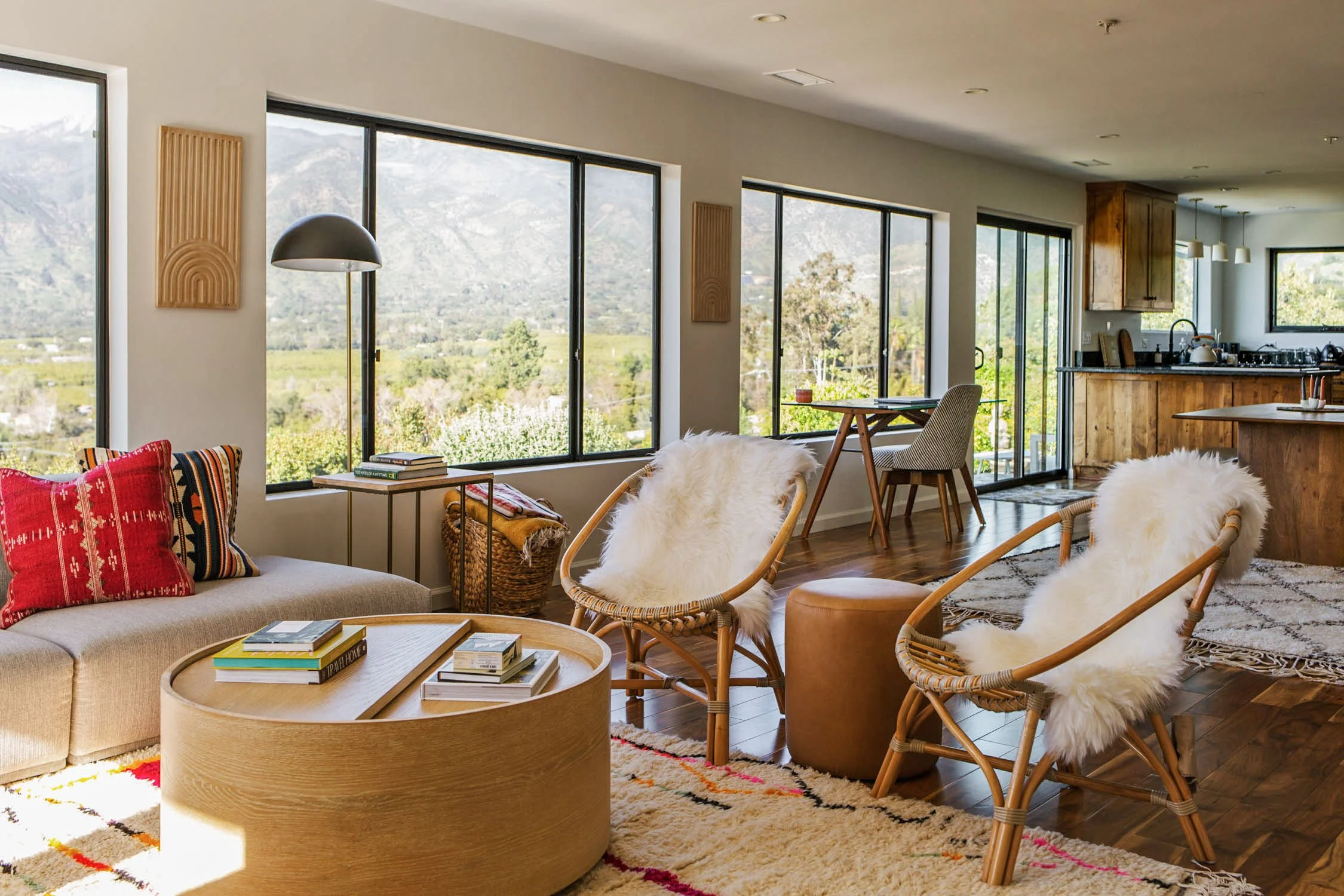
The office setup at View House before renovation
As the increasing awareness of what cultivates our best sense of self ties in with the shape and feel of environments, we can look at the new findings and patterns behind the wellness elements of architecture and design;
Emotional Regulation: Environments manage emotional states, solitude, and the ability to recharge.
Nervous System Regulation: The layout, organization, and sensory elements of an environment significantly affect mood, reduce stress levels, and brings the system into coherence.
Sense of Security: Homes function as a sanctuary from the outside world, where we can be ourselves and relax.
Creativity & Productivity: When a person feels safe and regulated, they are capable of brain activity that operates with the sense of limitless creativity, because they’re not shut down by the threat of survival, which forces the brain into a limited capacity for nuance. The environment can further support this creative aspect with elements like high ceilings or awe-inspiring views. Called the Cathedral Effect, a cognitive phenomenon where high ceilings promote abstract, creative thinking. It points to the concept where the environment subconsciously influences cognition; high ceilings feel freeing, whereas low ceilings feel more constrained, influencing feeling and performance based on architectural design.
I’m not suggesting renovating your ceilings or tearing down walls (yet), but I do invite you on a journey of self-discovery into your personal preferences when it comes to your environment and how it supports you. So when it’s time to make a decision when change is presented, you’ll know how to choose based on your own personal findings.
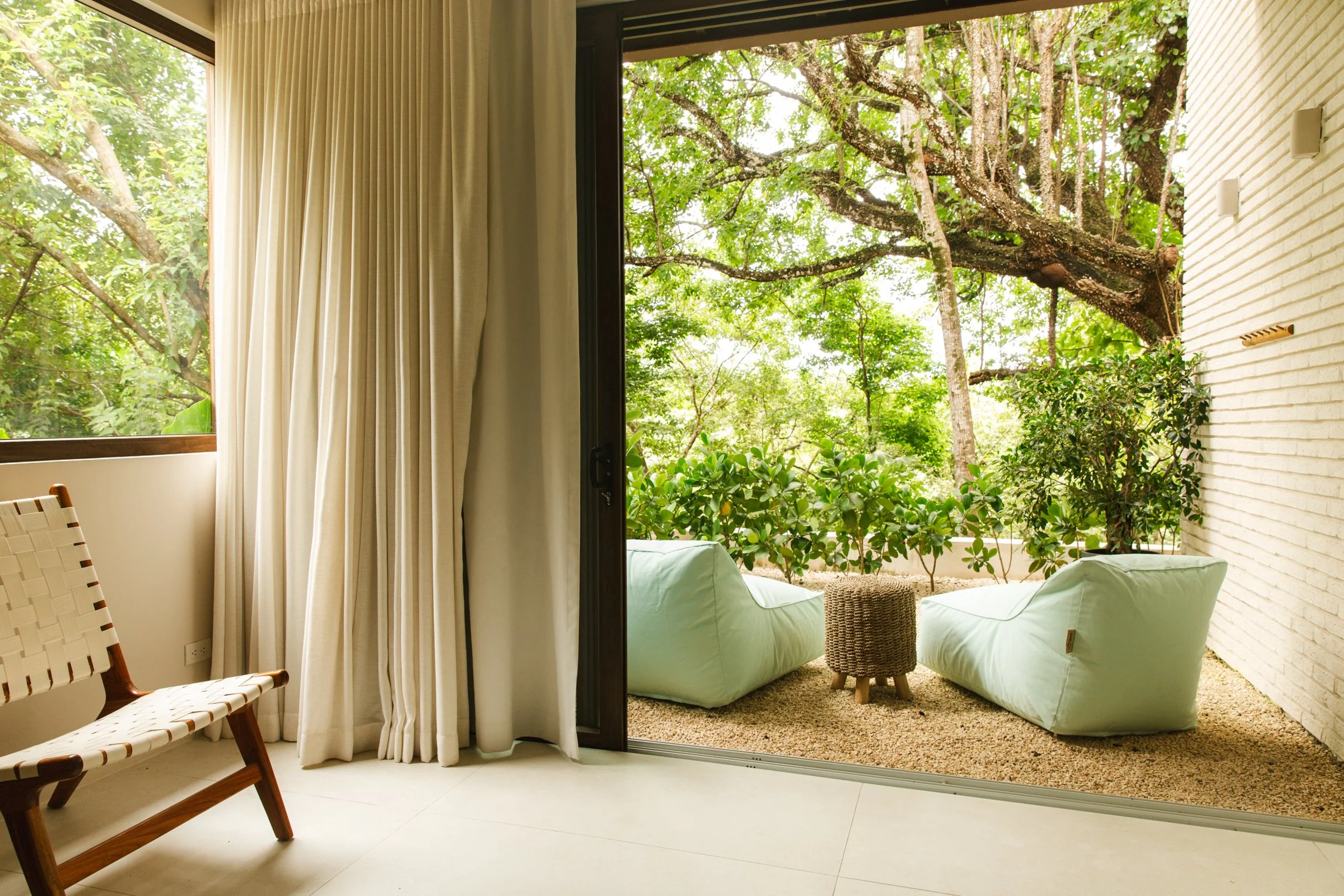
High ceilings and open walls at Gather Costa Rica